Tulip Flower Patterns Watercolor: A Practical Guide for Digital Designers and Crafters
The aesthetic of Tulip Flower Patterns Watercolor has secured a permanent place in the world of digital design and physical crafting. Unlike rigid vector graphics or photorealistic images, this specific style offers a soft, organic texture that mimics traditional media while providing the versatility of digital files. For adults aged 20 to 50 who are navigating the vast landscape of creative resources, understanding the nuances of these patterns is essential before making a purchase decision.
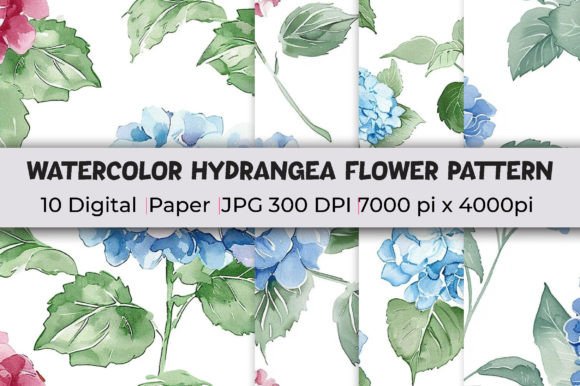
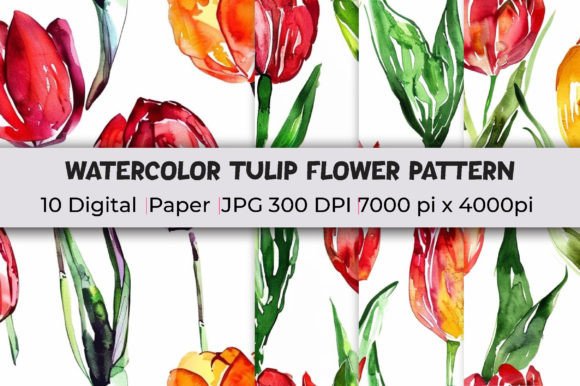
This collection features ten distinct designs, compressed into a single zip file for streamlined access. Each pattern is rendered at 300 dpi with dimensions measuring 7000 by 4000 pixels. These specifications are not merely technical details; they represent a significant advantage for users who require high-fidelity output without compromising file management efficiency. The following analysis explores what makes this resource distinct, how it compares to alternative formats, and which projects benefit most from its unique characteristics.
Understanding the Distinct Qualities of Watercolor Tulip Patterns
When evaluating digital paper packs, the primary differentiator is often the visual texture. Traditional watercolor is defined by bleed, grain, and unpredictable edges. In a digital context, achieving this look requires sophisticated layering and brushwork. Tulip Flower Patterns Watercolor captures this essence effectively. The petals display subtle gradients and translucent washes that create depth, avoiding the flat appearance common in lower-quality clip art.
The color palette typically leans towards springtime hues—soft pinks, vibrant reds, sunny yellows, and gentle purples—often set against neutral backgrounds like cream, pale gray, or off-white. This neutrality is crucial. It allows the tulips to serve as the focal point without overwhelming the composition. Whether used for a wedding invitation or a modern tumbler wrap, the patterns provide a balanced backdrop that supports text and other design elements rather than competing with them.
A key feature of this specific set is the resolution. At 7000 by 4000 pixels, the images contain a massive amount of data. This allows for extreme cropping without pixelation. If a designer needs a close-up detail of a single bloom for a logo, or a wide expanse of flowers for a large-scale wall mural, the source material remains crisp. This flexibility distinguishes high-end digital papers from standard web-resolution images found on free stock sites.
Comparative Analysis: Watercolor vs. Vector and Photographic Styles
Choosing the right asset often comes down to selecting between three main categories: watercolor illustrations, vector graphics, and photographic overlays. Understanding where Tulip Flower Patterns Watercolor fits within this spectrum helps clarify its best use cases.
- Vector Graphics: Vectors are scalable and sharp but can feel sterile. They lack the "human touch" of hand-painted strokes. While excellent for logos requiring precise lines, vectors often fail to convey the warmth needed for personal crafts like scrapbooking or handmade greeting cards. The watercolor style bridges this gap by offering scalability (due to high resolution) with an artistic, imperfect finish.
- Photographic Overlays: Real photos of flowers offer authenticity but come with lighting constraints and complex shadows that can be difficult to integrate into new designs. Editing out the background of a photo to create a seamless pattern is labor-intensive. Pre-made watercolor patterns provide the organic feel of nature without the logistical nightmare of post-processing real photographs.
- Digital Paint vs. Traditional Media: Some users prefer to paint their own tulips using software like Procreate or Photoshop. While this offers total control, it requires hours of skill and time. Purchasing a pack of Tulip Flower Patterns Watercolor is a tradeoff between cost and time. For professionals managing tight deadlines, buying the pre-rendered assets is the more efficient choice.
The tradeoff here is customization. With a purchased pattern pack, you get exactly what is provided. You cannot easily change the flower species or the exact shade of pink if it does not match your brand guidelines. However, the speed and professional polish of the final product usually outweigh this limitation for most crafters.
Evaluating Technical Specifications for Professional Use
In the realm of digital commerce, the phrase "high resolution" is often used loosely. To truly evaluate the value of this product, one must look at the specific metrics provided: 300 dpi and 7000 x 4000 pixels.
The 300 dpi standard is the industry benchmark for print quality. Many digital papers sold online are only 72 dpi, suitable for screens but disastrous for printing. If a user attempts to print a 72 dpi image on a standard printer, the result will be blurry and jagged. By ensuring the files are 300 dpi, this collection guarantees that prints—from small business cards to large canvas wraps—will appear sharp and professional.
The pixel dimensions of 7000 by 4000 are particularly noteworthy. Most standard digital papers measure around 3000 x 3000 pixels. The extended length of 7000 pixels provides a significant advantage for specific applications:
- Tumbler Wraps: Sublimation printing for tumblers often requires long, continuous strips of paper to wrap around the cylindrical surface. Standard square images may require tedious tiling, which can lead to visible seams. The elongated format of these tulip patterns minimizes the need for tiling, resulting in a smoother finish on curved surfaces.
- Seamless Backgrounds: For website headers or large digital backdrops, the extra width ensures that the pattern can repeat seamlessly across wide monitors without losing detail or requiring multiple copies stitched together.
- Scrapbooking Layouts: When creating double-page spreads or large journaling cards, having a large canvas means the user can crop out specific sections of the tulip arrangement without worrying about the image breaking up.
The compression into a single zip file is another practical consideration. Managing dozens of separate files can clutter a hard drive and slow down workflow. A consolidated package keeps the project organized, allowing designers to drag and drop the entire set into their library instantly.
Best-Fit Applications and Decision Factors
While the quality is high, Tulip Flower Patterns Watercolor is not a universal solution for every design challenge. Identifying the right fit is critical for maximizing return on investment.
Ideal Scenarios
This resource excels in projects that require a blend of elegance and approachability. It is particularly well-suited for:
- Greeting Cards and Invitations: The soft watercolor aesthetic aligns perfectly with events like weddings, baby showers, and Mother's Day. The floral theme is universally recognized as celebratory and warm.
- Gift Wrapping and Packaging: Small businesses selling handmade goods often need custom wrapping paper. The high resolution ensures that the branding looks premium when printed on specialty paper stocks.
- Digital Scrapbooking: Hobbyists who create memory books digitally appreciate the ability to layer these transparent or semi-transparent tulip patterns over photos without obscuring the subject matter entirely.
- Sublimation Projects: As mentioned, the aspect ratio and resolution make this ideal for mugs, tumblers, and tote bags where durability and print clarity are paramount.
Limited Suitability
Conversely, there are situations where this specific style might not be the optimal choice. If a project demands a bold, graphic look with solid colors and sharp angles, such as a tech startup logo or a minimalist architectural poster, the organic curves and pastel tones of watercolor tulips may feel out of place. Similarly, if the project requires a very dark or moody atmosphere, the typically light and airy nature of these patterns might struggle to provide the necessary contrast.
Making the Final Choice
Deciding whether to invest in a pack of Tulip Flower Patterns Watercolor depends on the balance between desired aesthetics and practical requirements. For those seeking a quick way to elevate a project with a touch of classic botanical beauty, the combination of high resolution, generous dimensions, and cohesive design makes this a strong contender.
However, buyers should always consider their specific output method. If the end goal is strictly digital screen display, the 300 dpi specification is less critical, though still beneficial for Retina displays. If the goal involves physical printing, the technical specs become non-negotiable. In this regard, the 7000 by 4000 pixel size offers a level of future-proofing that smaller files cannot match.
Ultimately, the value lies in the versatility. Ten distinct patterns provide enough variety to keep a portfolio fresh without forcing the user to buy multiple disparate collections. By choosing a resource that balances artistic charm with rigorous technical standards, creators can focus on the design process itself rather than struggling with low-quality assets. Whether for a commercial venture or a personal hobby, these digital papers offer a reliable foundation for bringing the delicate beauty of spring indoors through the medium of digital craft.