Hydrangea Flower Patterns Watercolor: A Comprehensive Guide to Digital Art for Creative Projects
The intersection of traditional artistic techniques and modern digital convenience has given rise to a versatile category of assets known as Hydrangea Flower Patterns Watercolor. These digital files capture the soft, organic beauty of watercolor blooms while offering the practical advantages of vector-like precision and high-resolution scalability. For designers, crafters, and DIY enthusiasts, this specific style offers a distinct aesthetic that bridges the gap between hand-painted authenticity and commercial-grade utility.
When evaluating resources for creative projects, it is essential to understand what distinguishes these patterns from other floral designs. Unlike rigid clipart or overly saturated digital illustrations, Hydrangea Flower Patterns Watercolor emphasize fluidity, translucent layering, and natural color gradients. The subject matter itself—the hydrangea—is particularly well-suited for this medium due to its clustered petal structure, which allows for rich textural play. When applied to physical goods or digital layouts, these patterns provide an immediate sense of elegance and approachability that generic geometric shapes often lack.
Evaluating Technical Specifications for Professional Results
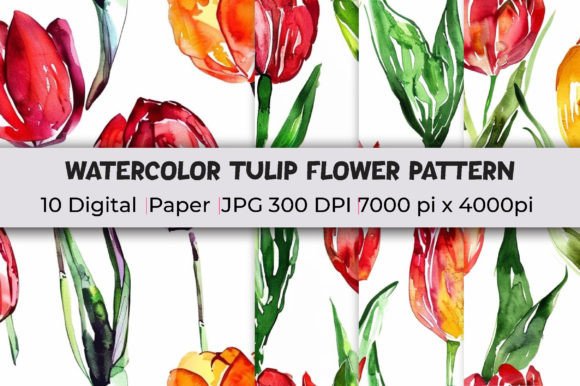
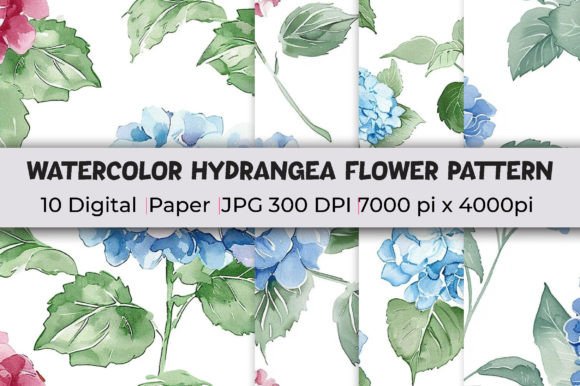
In the realm of digital crafting, the difference between a satisfactory result and a professional finish often comes down to file specifications. A critical factor when selecting Hydrangea Flower Patterns Watercolor is the resolution and pixel dimensions. High-quality sets typically include files measured at 7000 by 4000 pixels with a density of 300 dpi (dots per inch). This technical standard is not merely a marketing metric; it is a functional requirement for specific applications.
For large-format printing, such as wrapping paper for gifts or full-page backgrounds for invitations, lower resolutions can lead to visible pixelation or blurring. The 7000-pixel width ensures that even when scaled up significantly, the delicate brushstrokes of the watercolor texture remain crisp. Similarly, the 300 dpi requirement guarantees that inkjet printers and professional plotters have sufficient data points to render the subtle shifts in pigment saturation without banding.
Furthermore, the organization of these assets matters. A robust collection often compresses ten distinct digital papers into a single zip file. This consolidation streamlines the workflow, allowing users to access a variety of color palettes and pattern densities without navigating multiple downloads. It reduces the risk of file fragmentation and ensures that all variations maintain consistent quality standards throughout the set.
Comparative Analysis: Watercolor Styles vs. Alternatives
When exploring options for design assets, creators often weigh Hydrangea Flower Patterns Watercolor against other categories, such as solid colors, geometric prints, or photorealistic flower images. Each option serves different purposes, and understanding these tradeoffs helps in making the right choice for a specific project.
Photorealistic Images vs. Patterned Textures
Photorealistic images of hydrangeas are excellent for focal points where a single bloom needs to be highlighted. However, they are often difficult to tile seamlessly across a surface without repeating obvious gaps. In contrast, Hydrangea Flower Patterns Watercolor are designed specifically to repeat. The edges are calculated to align perfectly, creating an infinite field of flowers. This makes them superior for background applications like tumbler wraps, where the design must cover a curved, continuous surface without interruption.
Vector Graphics vs. Raster Watercolor
Vector graphics offer infinite scalability but often lack the "soul" of hand-painted art. They tend to look clean and uniform, which can feel sterile in personal projects like scrapbooking or handmade greeting cards. The raster nature of watercolor patterns preserves the imperfections of the medium—slight bleeding of edges, varied opacity, and grainy textures. These imperfections add character and warmth, making the final product feel more artisanal and less mass-produced.
Digital Papers vs. Physical Media
While nothing replaces the tactile experience of actual watercolor paper, digital versions offer unparalleled flexibility. A physical sheet of watercolor paper cannot be easily resized or recolored. With digital Hydrangea Flower Patterns Watercolor, a designer can adjust the scale to fit a small sticker or a large banner instantly. Additionally, the ability to layer these patterns over other elements provides a depth that is difficult to achieve with pre-printed physical materials.
Strategic Applications Across Craft Categories
The versatility of these patterns allows them to fit into a wide array of use cases. The decision to use this specific asset type should be driven by the intended output and the desired aesthetic tone.
- Scrapbooking and Journaling: For memory-keeping, the soft edges of watercolor patterns complement handwritten journaling and polaroid photos better than harsh lines. They act as a gentle backdrop that frames memories without overpowering them.
- Tumbler Wraps and Vinyl Decals: This is one of the most popular applications. The high resolution ensures that when printed on vinyl and wrapped around a stainless steel tumbler, the image does not stretch or blur. The seamless nature of the pattern is crucial here, as the wrap creates a continuous loop around the cup.
- Greeting Cards and Invitations: Weddings, baby showers, and spring events often benefit from the romantic connotation of hydrangeas. Using a watercolor pattern for the card base adds a layer of sophistication that plain colored paper cannot match.
- Gift Wrapping: Creating custom gift wrap is cost-effective and unique. By utilizing the 7000x4000 pixel dimension, users can print large sheets that require minimal cutting and taping, resulting in a polished presentation.
- Digital Backgrounds: For social media content, website headers, or virtual event backdrops, these patterns provide a visually appealing environment that is lightweight yet high-definition.
Decision Factors: When to Choose Watercolor Patterns
Selecting the right resource involves balancing budget, time, and technical requirements. Hydrangea Flower Patterns Watercolor are generally the right choice when the goal is to achieve a handcrafted look without the time commitment of painting from scratch. If a project requires a cohesive theme across multiple items—for example, matching the invitation, the thank-you note, and the party favors—these digital papers ensure visual consistency.
However, there are limitations to consider. Because these are raster images, they cannot be edited to change the shape of individual petals without losing quality. If a project requires a highly customized illustration where specific flowers must be moved or altered, a vector-based approach might be more appropriate. Additionally, while the 300 dpi standard is excellent for most home and office printers, extremely large format printing (such as billboards) may still require specialized vector conversion or higher resolution sources.
Another consideration is the licensing and usage rights. While many digital paper sets allow for both personal and commercial use, it is vital to verify the terms before selling products made with these images. The compressed zip file format mentioned in typical offerings suggests a user-friendly delivery system, but checking for any restrictions on resale is a prudent step for business owners.
Maximizing the Value of Digital Assets
To get the most out of a collection of Hydrangea Flower Patterns Watercolor, users should integrate them into their workflow early. Instead of treating them as mere decorations, view them as foundational elements. Layering a semi-transparent version of the pattern over a solid color can create a vintage effect. Combining different patterns from the same set can generate dynamic borders or accents.
The inclusion of ten distinct papers within a single download represents significant value. It allows for experimentation with color theory without purchasing multiple separate products. For instance, a creator might choose a deep blue hydrangea pattern for a wedding suite and a pastel pink variation for a nursery announcement, ensuring brand consistency across different life events.
In conclusion, Hydrangea Flower Patterns Watercolor represent a powerful tool for anyone looking to elevate their creative output. They combine the emotional resonance of traditional art with the efficiency of digital technology. Whether you are a seasoned graphic designer or a hobbyist making your first scrapbook page, the combination of high resolution, seamless tiling, and organic aesthetic makes this a top-tier choice for diverse applications. By understanding the technical strengths and appropriate use cases, you can make informed decisions that enhance the quality and impact of your work.